Should Flower Gardens be Rich, Even, or Diverse? : Things to Think About When Planting Your Own Garden
This guest blog is part of a series of articles written by Mount Allison students, as part of a partnership between Nature NB and the Applied Native Plants and Pollinator Conservation course. Thanks to Dr. Emily Austen and the students for this ongoing collaboration!
By Jordyn Williams


Definitions
Species richness = number of species in an area. An area with higher species richness has more individual species.
Species evenness = species have same abundance. An area with high species evenness has equal abundance of species.
Species diversity = richness and evenness. An area with high evenness and richness has high diversity.


Connection to pollinators
The ecological concept of “diversity” can be used when planning a flower garden. How many species (richness) and how many plants of each species (evenness) in a garden can have an impact on the pollinators in the area.
A rich but not even garden will provide food sources for most pollinators, but some of these food sources will be limited. For example, if a pollinator species is specialized to pollinate pink lady slippers, it would have little resources in garden #1
An even but not rich garden will provide adequate food sources for some but not all pollinators. For example, the pollinator specialized to pollinate the pink lady slipper will thrive in garden #2, as there are more flowers for it to pollinate, but a species that cannot pollinate a pink lady slipper or the other species in the garden, rhodoras, will not be able to survive off of the resources provided by garden #2. More generalist pollinators that are able to pollinate both species will be able to utilize the garden’s resources, but their diet will be made of a less diverse combination of flower resources.
A garden that is rich and even in species is a diverse garden. A diverse garden is able to support the greatest number of pollinator species, as generalists and specialists will have the resources they need. Garden #3 will provide specialists of the four species of plant with enough resources. It will also provide generalist species with a wide variety of flower resources. This more diverse garden will support a wider diversity of pollinators (Ghazoul, 2006).
Connection to plants
The impact of this ecological concept on the flowering plants in the scenario mainly involves their reproductive success.
If there is only one plant of an individual species, reproduction will result in the production of clones. This will create a genetically weak and vulnerable population (Vallejo-Marín et al. 2010). This would be the case for garden #1 for the pink lady slipper and the rhodora plants, as there are only singular plants of each species in the population.
An even but not rich garden may have fewer pollinator visits due to the reduced variety of flower species that makes this garden type less attractive. This will potentially reduce the reproductive success of the population due to reduced visitation by pollinators and pollination frequency. In connection to this, having a garden with specialist (can only be pollinated by 1 species of pollinator) and generalist (can be pollinated by multiple pollinator species) plants will benefit the whole plant population. This is because having both generalist and specialist plants has shown to attract more pollinators, in contrast to having a garden containing all generalists (Gómez et al. 2007).
A diverse garden will promote pollination success, by encouraging pollinators to visit the garden. This will also help increase genetic variation within the population of each individual species, more than evenness would due to the increase in pollinator presence (Wessinger, 2020). A diverse garden will also provide benefits to the pollinators during more plant stages, as species can have variable flowering phenology, blooming at different times during a season. So, providing flowering plants with a variety of flowing phenologies will make food sources available to the pollinators across a larger variety of periods (Petanidou et al. 2014).
Overview
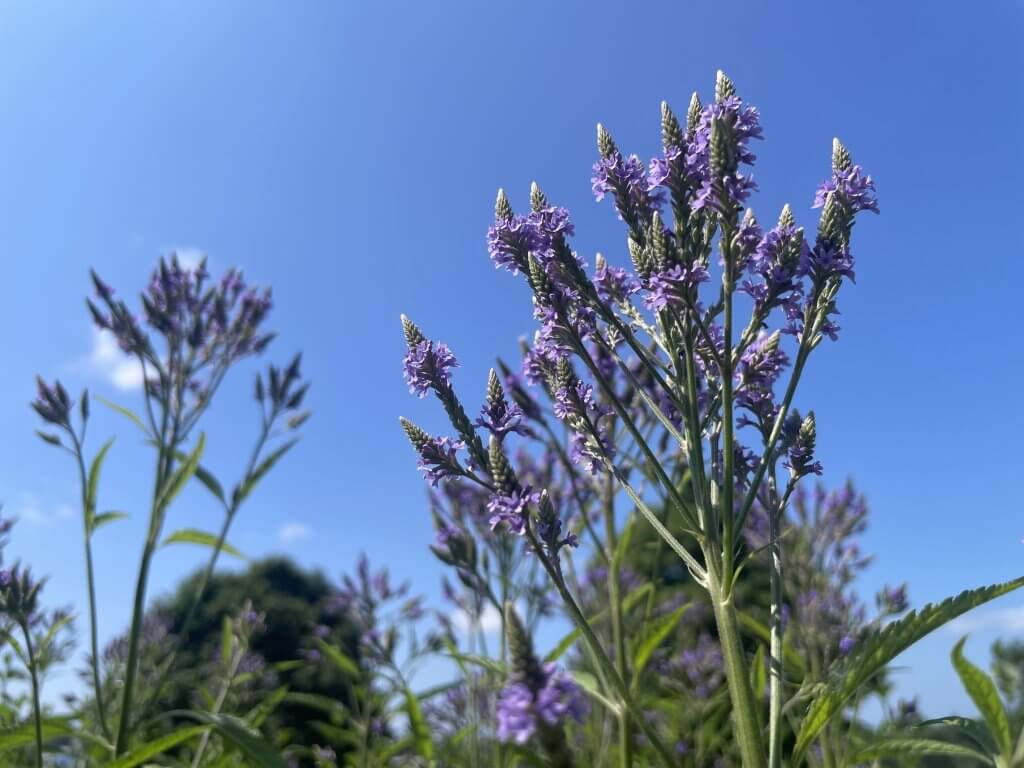
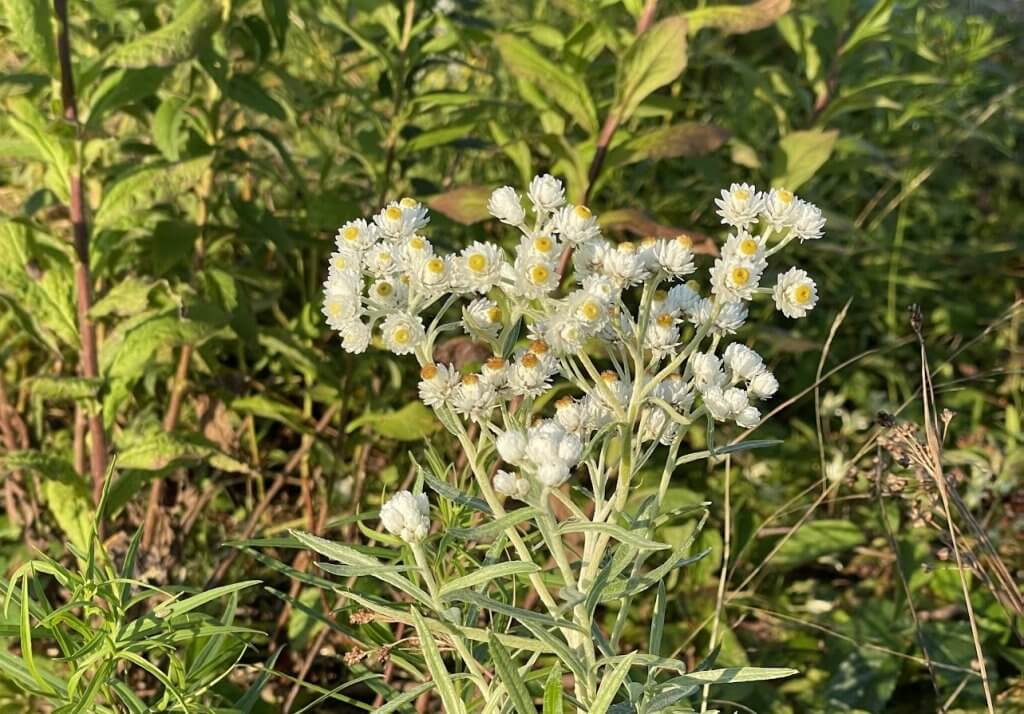
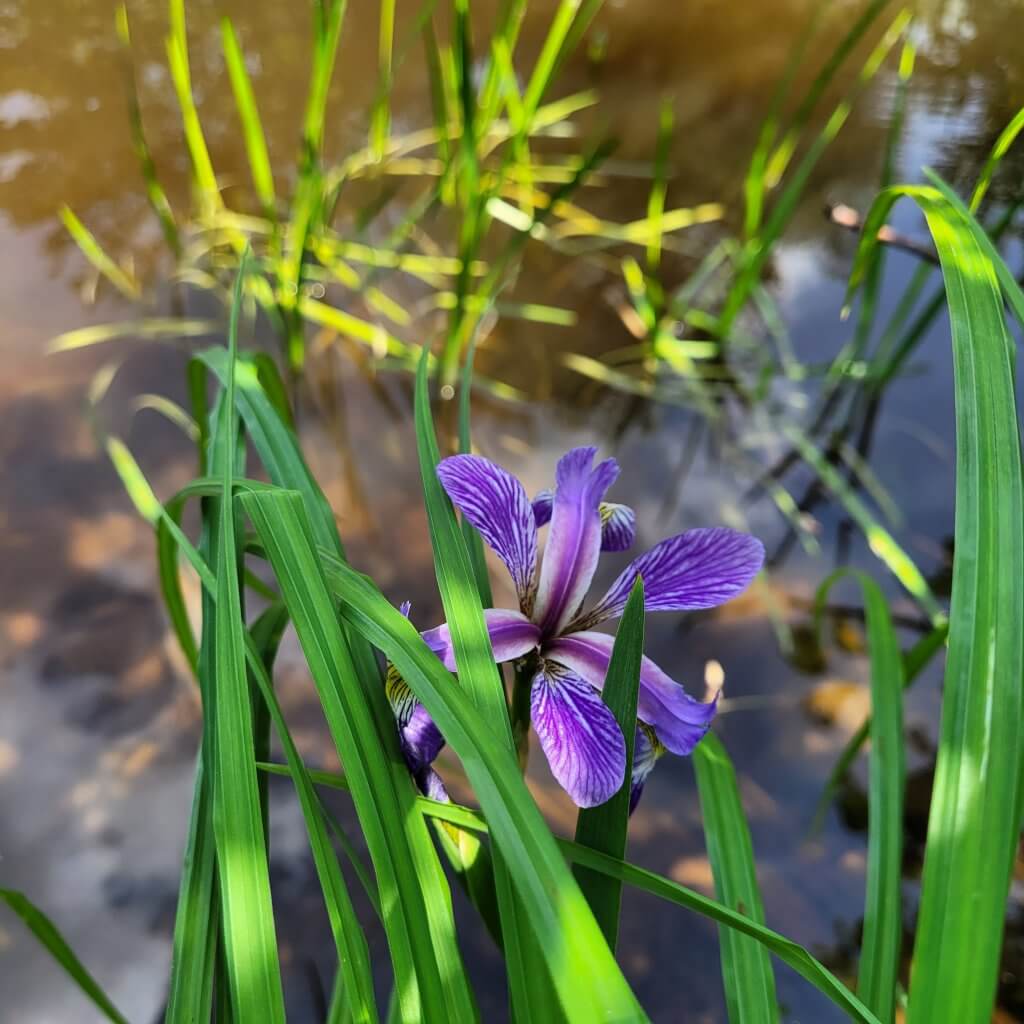
Overall, to benefit the local pollinators, it is best to plant a garden that is diverse (garden #3), ideally full of native plants species, like the ones in the figure above. In order for a diverse garden to benefit your local pollinators, research should be conducted on the optimal food sources for the pollinators. Native plants provide the necessary olfactory and visual cues needed to attract a pollinator, whereas exotic plants may not have this capacity to attract native pollinator species (Corbet et al. 2001). Planting a diverse variety of plants will help benefit the garden in the long run, as the plants will have increased reproductive success and health. This will result in a lush environment, supportive of all of the local pollinators, and that can withstand disease due to its genetic variability! A diverse garden is also better suited to support pollinators across a season, if phenology (the appearance of flowers across time) is considered. In addition to all of the pollination based benefits that it serves, a more diverse garden is also much prettier, as seen below! To ensure that your garden is optimally diverse, please refer to pollinator guides for your local area.

References
Corbet, S. A., Bee, J., Dasmahapatra, K., Gale, S., Gorringe, E., La Ferla, B., … & Vorontsova, M. (2001). Native or exotic? Double or single? Evaluating plants for pollinator-friendly gardens. Annals of Botany, 87(2), 219-232.
Ghazoul, J. (2006). Floral diversity and the facilitation of pollination. Journal of ecology, 295-304.
Gómez, J. M., Bosch, J., Perfectti, F., Fernández, J., & Abdelaziz, M. (2007). Pollinator diversity affects plant reproduction and recruitment: the tradeoffs of generalization. Oecologia, 153, 597-605.
Petanidou, T., Kallimanis, A. S., Sgardelis, S. P., Mazaris, A. D., Pantis, J. D., & Waser, N. M. (2014). Variable flowering phenology and pollinator use in a community suggest future phenological mismatch. Acta Oecologica, 59, 104-111.
Vallejo-Marín, M., Dorken, M. E., & Barrett, S. C. (2010). The ecological and evolutionary consequences of clonality for plant mating. Annual Review of Ecology, Evolution, and Systematics, 41(1), 193-213.
Wessinger, C. A. (2021). From pollen dispersal to plant diversification: genetic consequences of pollination mode. New Phytologist, 229(6), 3125-3132.