
NB Naturalist Feature – iNaturalist Canada: Community Science in Action
By James Pagé; Canadian Wildlife Federation (CWF); founding lead and administrator of iNaturalist.ca
Like nature itself, our ways of exploring and understanding it has evolved. But while natural evolution happens over millennia, our methods to study nature have advanced rapidly in a very short timeframe, and none more quickly than the digital technology we use. Even still, until quite recently advanced technology in science was reserved for highly trained specialists undertaking localized research. But now in Canada nearly everyone, from teenagers to golden-agers, has a technological tool and the knowledge on how to use it for conservation science and many of us don’t even realize it. In the same way we use smartphones to connect and share about our daily lives we can also share and receive information that is valuable to understanding our natural world.
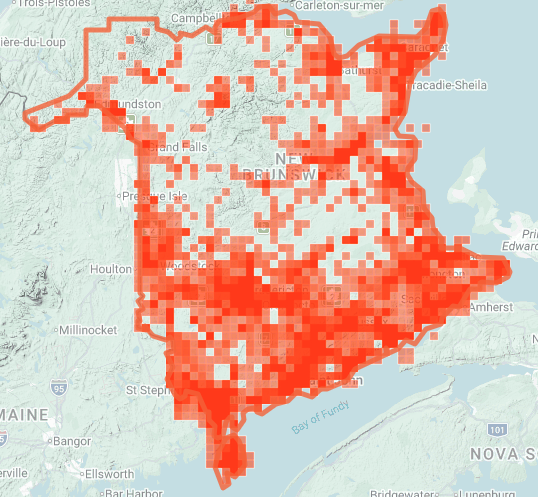
Photo: iNaturalist.ca
In the realm of biodiversity, community scientists (everyday people who contribute information for science) can fill data gaps that researchers could not accomplish on their own, largely because scientists can’t be everywhere. A convenient and effective way to do this is by using the device that people carry around in their pocket already. One of fastest growing initiatives of this type in Canada and beyond is iNaturalist which encompasses a simple but state of the art app, enabling people to work in concert with scientists amplifying our ability to observe, record and conserve wildlife. Beyond that, every photo or sound recording of a wild species uploaded using the iNaturalist app or online at iNaturalist.ca represents a moment in time where a person has stopped and taken the time to notice and connect with nature… and this has happened more than 22 million times in Canada!
Some people go to the iNaturalist app to instantly learn what species they’re looking at by using the image recognition software. Others appreciate the feedback they get from real species experts who comment on and help identify their observation after it’s uploaded to the database. While scientists and people curious to know what’s been posted around them will check the map and species lists to explore and answer questions. Many of us fall into all these groups and most everyone on iNaturalist is keen to contribute biodiversity data that is used for meaningful conservation decision making and action.
While it may not feel like it every time we make an iNaturalist observation, each one is a key piece of information and may turn out to be more significant than we think. The Illinois tick-trefoil (Desmodium illinoense) was recently rediscovered in Canada, by someone who had assumed it was a more common plant (since this one hadn’t been seen in Canada for more than 40 years) until an expert came across the observation and helped identify it. The Committee on the Status of Endangered Wildlife in Canada used this observation and those of other species at risk to undertake their assessments which lead to the legal listing on the federal Species at Risk Act. iNaturalist houses nearly 450,000 observations of species at risk in Canada, with over 8,000 observations in New Brunswick alone.
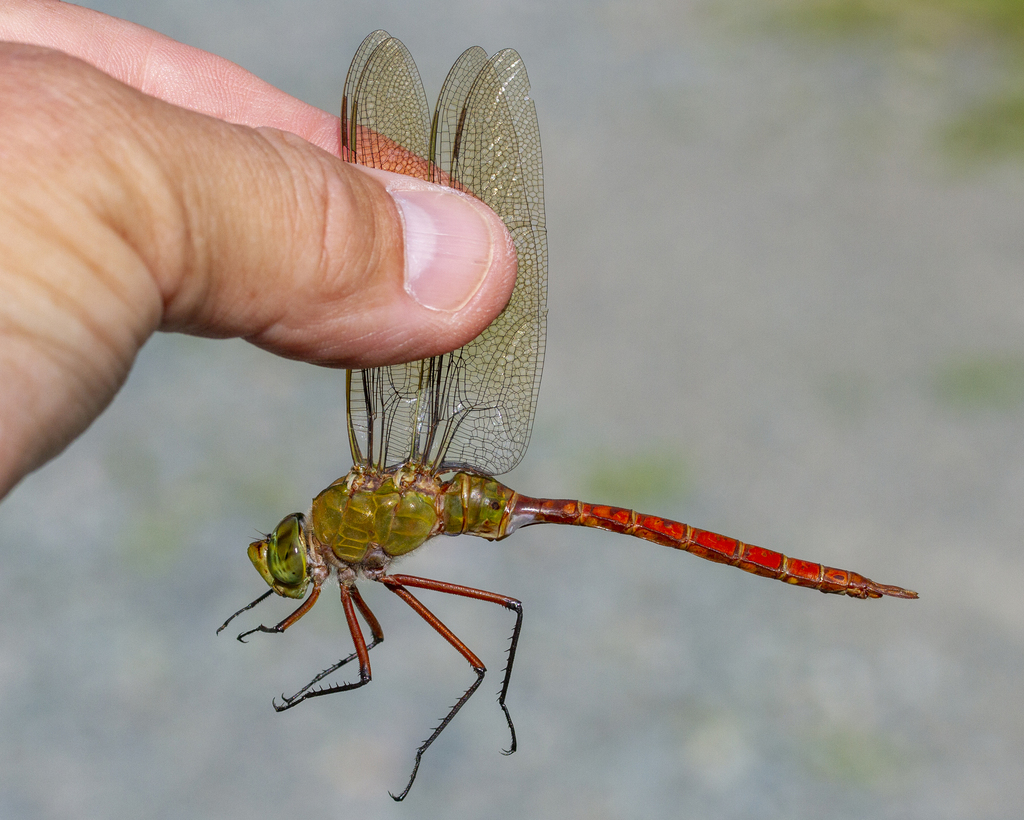
but Denis Doucet was the first to have photo evidence of an observation here, for a species much more common in the southern states.
Photo : Denis Doucet
There are also 900 species in Canada (49 of which are in New Brunswick) that, as of last June, had only one observation in all of iNaturalist, anywhere, which is incredible given there are more than half a million species recorded in iNaturalist around the world. Thanks to the community, some of these have been found a few more times. Speaking of firsts, iNaturalist contains what is believed to be the first photograph evidence of the Comet Darner dragonfly in the Maritimes and the first (among only a few) observations of the endangered Burrowing Owl in Atlantic Canada.
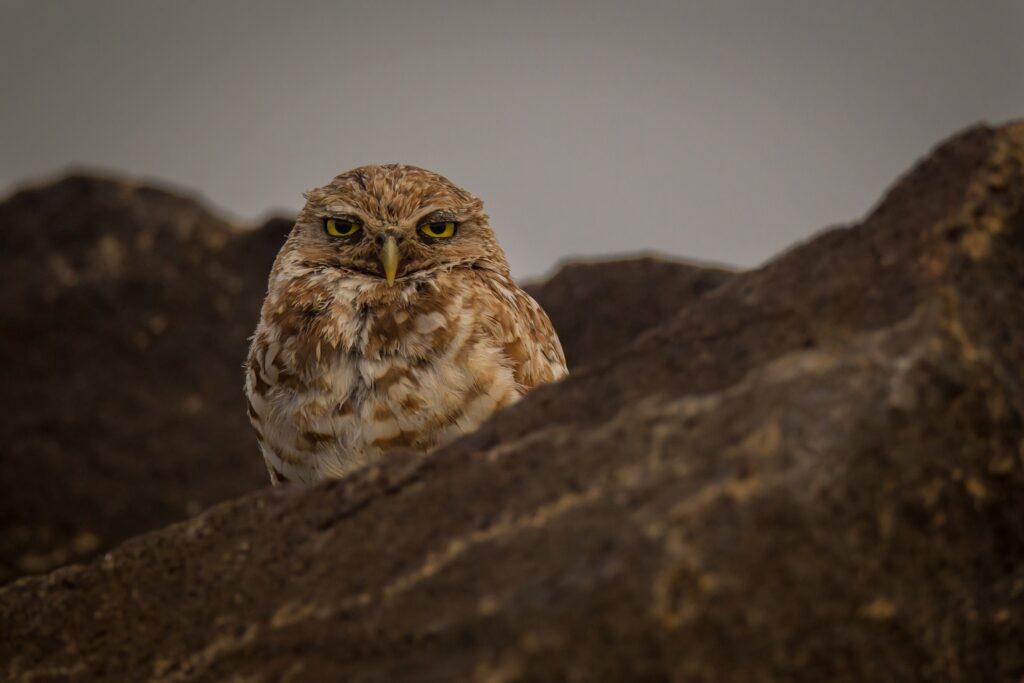
Photo: Paul B. Jones
The observations of rare and common species are key to painting a mosaic of the biodiversity found within Canadian cities, on rugged coastlines, in rural areas and deep wilderness. This data has been and continues to be used for key projects like Key Biodiversity Areas mapping, providing important information for land preserves like those of the Nature Trust of New Brunswick and provide knowledge to the public as the primary data source for the federal Wild Species Report. And all it takes to be a part of it is to get outside and snap a photo or record an animal call. Happy iNatting.


