

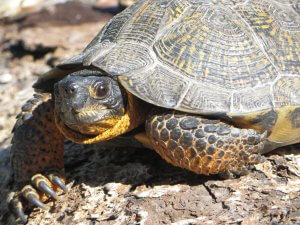
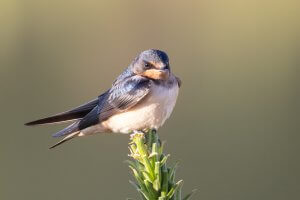
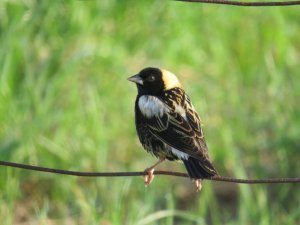
Nature NB values the important role that many agricultural producers play in providing local food, supporting local economies, and serving as stewards for wildlife. Farms of all shapes and sizes provide habitat for species of conservation concern, such as the iconic Bobolink, the elusive Wood Turtle, and the acrobatic Barn Swallow.
With support from Environment and Climate Change Canada and the NB Environmental Trust Fund, Nature NB has led the creation of a collaborative conservation plan for agricultural areas in the Wolastoq – Saint John River watershed. This region is both a hotspot for agriculture and species of conservation concern. Our agroecosystems team works collaboratively with farmers to conserve and protect key ecosystems that provide habitat for over 10 species at-risk, including farm infrastructure, grasslands, riparian areas, wetlands, woodlands, and other farmland, like orchards and row crops.
Wolastoq Watershed
The Wolastoq (Saint John River) watershed begins in separate streams in Maine, USA and Québec coming together to form a 673 km river, flowing through a large part of New Brunswick before emptying into the Bay of Fundy. This watershed supports about 50 % of New Brunswick’s population and 6 % of the adjacent land is used for agriculture in both the upper and lower sections of the river.

Species to look out for on your farm
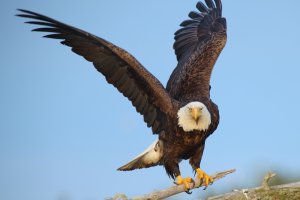
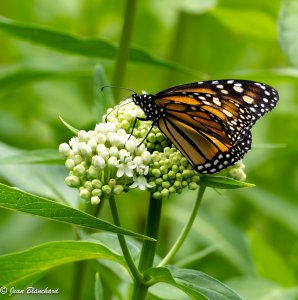
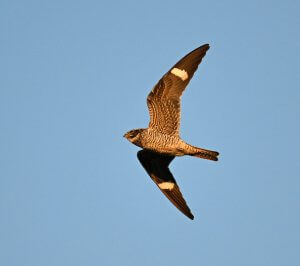
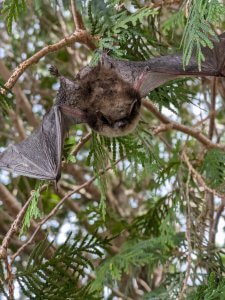
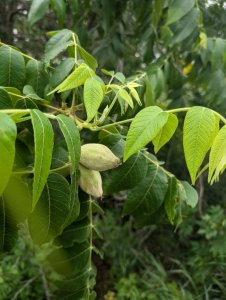
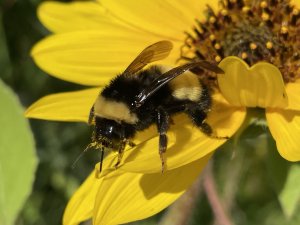
Agricultural landscapes are home to many species at risk and species of cultural importance, including:
What we offer
• Advice for farmers on implementing sustainable beneficial management practices to protect species at risk on their farm
• Connecting farmers to support and funding to implement beneficial management practices on their farms
• Site visits and tailored management plans to meet agricultural and environmental goals
• Connections to a wide network of agricultural and conservation organizations, events, and programs

Give nesting swallows or roosting bats in your barns/sheds space, or invite them to your farm with nesting boxes or bat houses

Use buffer strips and/or conservation headlands to provide pesticide free habitat for beneficial insects and other wildlife

Maintain and expand natural vegetated buffer zones along streams and wetlands

Delay your first cut of hay until after July 15 to protect nesting grassland birds

Our project team
- Agricultural Alliance of New Brunswick
- Agriculture and Agri-Food Canada
- Birds Canada
- Canadian Forage and Grassland Association
- Clean Annapolis River Project
- Canada Water Agency
- NB Agriculture, Aquaculture, and Fisheries (DAAF)
- NB Environment and Local Government (DELG)
- NB Natural Resources and Energy Development (DNRED)
- Environment and Climate Change Canada – Canadian Wildlife Service (ECCC – CWS)
- Global Conservation Solutions
- Kennebecasis Watershed Restoration Committee
- Living Lab New Brunswick
- Maliseet Nation Conservation Council
- Nashwaak Watershed Association Inc.
- National Farmers Union of New Brunswick
- Nature Conservancy of Canada
- Nature Trust of New Brunswick
- New Brunswick Environmental Network
- New Brunswick Soil and Crop Improvement Association
- University of New Brunswick
- Wolastoqey Nation in New Brunswick
- World Wildlife Fund – Canada
Resources
The page ends here, but the conversation doesn’t have to. Here’s a token of our gratitude for reading along.
Fill out the form below for a chance to win a $25 Tim Hortons gift card.
*Link leads to an external website
For more information about the project or to inquire about our services, please contact Nature NB at info@naturenb.ca or 506-459-4209


